- What Is Drywall Texture?
-
Key Drywall Texture Types and Their Characteristics
- Smooth Drywall Finish (Level 5)
- Orange Peel Drywall Texture
- Knockdown Drywall Texture
- Popcorn Drywall Texture
- Spray Sand Drywall Texture
- Skip Trowel Drywall Texture
- Lace Drywall Texture (Spanish Lace)
- Sand Swirl Drywall Texture
- Stomp Brush Drywall Texture (Crow’s Foot or Rosebud)
- Comb Drywall Texture (Fan or Fish Scale)
- Venetian Plaster Style Drywall Finish
- Bas-Relief Drywall Texture
- Tree Bark Drywall Texture
- Santa Fe Drywall Texture
- Hawk and Trowel Drywall Texture
- How to Choose the Right Drywall Texture
- Similar posts:
What Is Drywall Texture?
Drywall texture means putting different finishes on drywall. This helps it look better, hides flaws, and even soaks up sound. These finishes make clear lines, shapes, and ridges – all in various lengths and widths, creating unique patterns. They often look uneven or stick out, but drywall textures still catch the eye.
Texturing can be a design choice, giving a room personality and style. Or it can simply hide marks or repairs. Choosing a drywall texture mostly comes down to what you like.
Key Drywall Texture Types and Their Characteristics
Drywall textures fall into four groups: smooth finishes, spray-applied, hand-applied, and specialty plaster styles. You’ll find classic options here, like Orange Peel and Knockdown, along with modern picks like Smooth – a Level 5 finish. Each type acts differently under light, handles wear uniquely, and demands specific repair methods. Plenty of varieties and techniques exist, from simple do-it-yourself patterns to complex professional work.
Smooth Drywall Finish (Level 5)

A Level 5 drywall finish is completely smooth, showing no texture at all. People like this flat, seamless look for its clean, modern feel, especially in contemporary or minimalist rooms. The sleek surface takes paint, wallpaper, or other decorations easily. Getting this high-end finish takes a lot of skim-coating and sanding. Any small flaw will show, so workers must erase every imperfection.
Orange Peel Drywall Texture

Orange peel drywall texture looks like an orange’s skin – dimpled and wrinkled, with soft, rounded bumps. You can find it in fine, medium, or heavy styles; the heavier ones have more wrinkles and curves. A drywall texture sprayer applies this, creating a fine mist of drywall mud that dries into that bumpy pattern.
This texture is a favorite for new homes, rental properties, and busy spots largely because it goes on fast. The application is so quick, home painters often prep and paint right away. It does add character to a wall, but it can be tougher to clean than other textures. Still, it hides flaws pretty well, and people can install it themselves without an air compressor – this makes it a common choice.
Knockdown Drywall Texture

The knockdown drywall texture gives walls a rustic, organic pattern, much like stucco. To get this look, workers apply wet plaster or drywall mud; then they flatten the peaks with a drywall knife or trowel. This simple process creates a softer, more rustic surface.
Knockdown texture can effectively hide flaws – perfect for older homes. It adds depth to plain walls, too. This forgiving option works well for remodels, concealing past repairs even when light hits the wall from the side. First, a hopper gun sprays the initial mud coat. Then, a knockdown knife flattens it out.
Popcorn Drywall Texture

Popcorn drywall, or acoustic ceiling texture, was a popular finish for ceilings, especially before 1990. Its rough, bumpy surface looks like gourmet popcorn, which is where it got its catchy name. This texture hides surface flaws and helps absorb sound, making rooms quieter. But there’s a serious concern with older popcorn ceilings – those put up before 1980 often contain asbestos.
Spray Sand Drywall Texture
Spray sand drywall texture, put on with a drywall texture machine, has smaller ovals than orange peel. This makes the surface less smooth. To create it, you mix fine sand with primer or thinned drywall mud, then spray it using a hopper gun. The process leaves a thin, subtle sandy finish – perfect for beach-themed homes. It’s one of the easiest textures to put on walls or ceilings, covering small dents or dings without standing out too much.
Skip Trowel Drywall Texture

Skip trowel drywall texture gives walls a rustic, artistic look. It features irregular, overlapping strokes over a base. To do this, workers apply a thin layer of drywall mud. Then, they lightly skim – or “skip” – a trowel across the wet compound, holding it at an angle. The wrist bends away from the wall during these short, arching strokes. This leaves random raised areas and spaced patterns.
This texture resembles knockdown drywall, but the patterns are more spread out. It adds a rustic flair. A thin layer of drywall mud goes on the surface first. Then, a clean trowel, held at an angle, lightly skims over it. This layering builds thick slabs of mud then smooths the substance. The finish has a thick, icing-like look. This technique makes walls look better, lending an entire room a Mediterranean feel. Homeowners can create this texture themselves with drywall compound and a trowel for distinct crests and depressions.
The first mud layer’s thickness controls how deep and bold the texture becomes. A thin coat creates a softer effect, while a thicker one gives a more pronounced finish. Skip trowel textures take effort – they add architectural depth and hide big flaws. People often pick this style for Mediterranean or southwestern homes. It works well on both walls and ceilings.
Lace Drywall Texture (Spanish Lace)
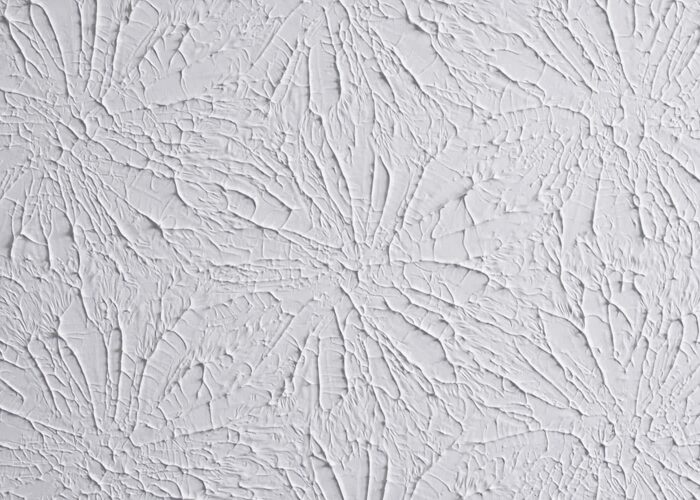
Lace drywall texture, often called Spanish lace, uses a multi-layered, decorative pattern. This texture – a non-sand spray knockdown – looks like delicate lace, giving walls an old-world feel. To make it, workers spray drywall mud onto a surface. They then lightly smooth the mud with a drywall knife, creating random raised patterns, much like stucco. You can even make this texture multi-colored. That adds charm and timeless grace to any room. But it takes real skill to apply it well.
Sand Swirl Drywall Texture

Sand swirl drywall texture shows flowing, circular patterns. Walls and ceilings take on a slightly rough, grainy feel. You make this texture by mixing drywall compound or plaster with sand. Then, a medium-bristle brush, a sanding sponge, or even a small-notched trowel forms full or half-circle patterns. This is like comb texture, but adding sand – an important step – makes it tougher.
Sand swirl is often a top pick for DIY projects. It costs little and needs few special tools. Putting it on ceilings gives a vintage look. On walls, it adds real depth. This technique blends combing with a sand spray method, making unique patterns like interlocking shapes or spirals.
Stomp Brush Drywall Texture (Crow’s Foot or Rosebud)

Stomp brush drywall texture goes by several names: Slap Brush, Crows Feet, or Rosebud. It makes bold, raised, bumpy patterns. Workers use a stomp brush for this – a soft tool with long bristles. It forms these unique shapes.
One style, the rosebud drywall texture, gives you bristly, petal-like lines. This ends up looking like a floral texture or a rosebud design. This method is great for hiding wall flaws and adding style, especially on ceilings. The Crows Feet look uses two round or oval brushes. These create rounded, stompy lines along with long, thin swooshes.
Comb Drywall Texture (Fan or Fish Scale)
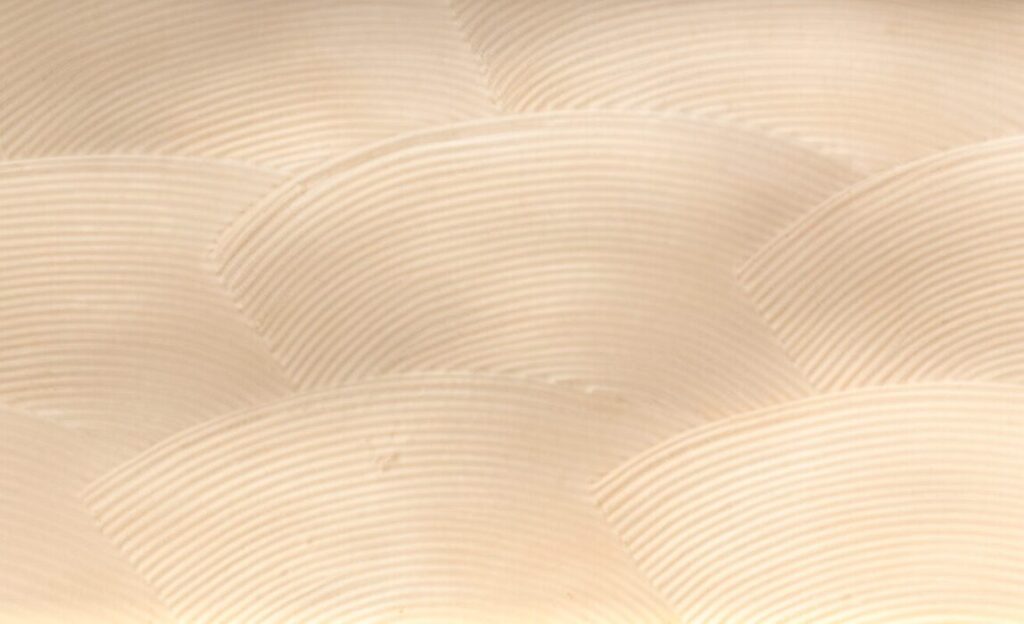
Comb drywall texture is also known as fish scale or fan texture. It uses a toothed trowel to create lines in wet drywall mud. This technique forms circular, semi-circular, or wave-like grooves. Workers often layer these designs into half-fan shapes, much like fish scales.
This texture gives walls a storied and iconic look. It is one of the easiest, most affordable options for DIY application since it requires few special tools. Repairs are simple too – new mud can be applied and combed to blend with the old pattern. It can make a room feel relaxing, carefree, or even beachside.
Venetian Plaster Style Drywall Finish
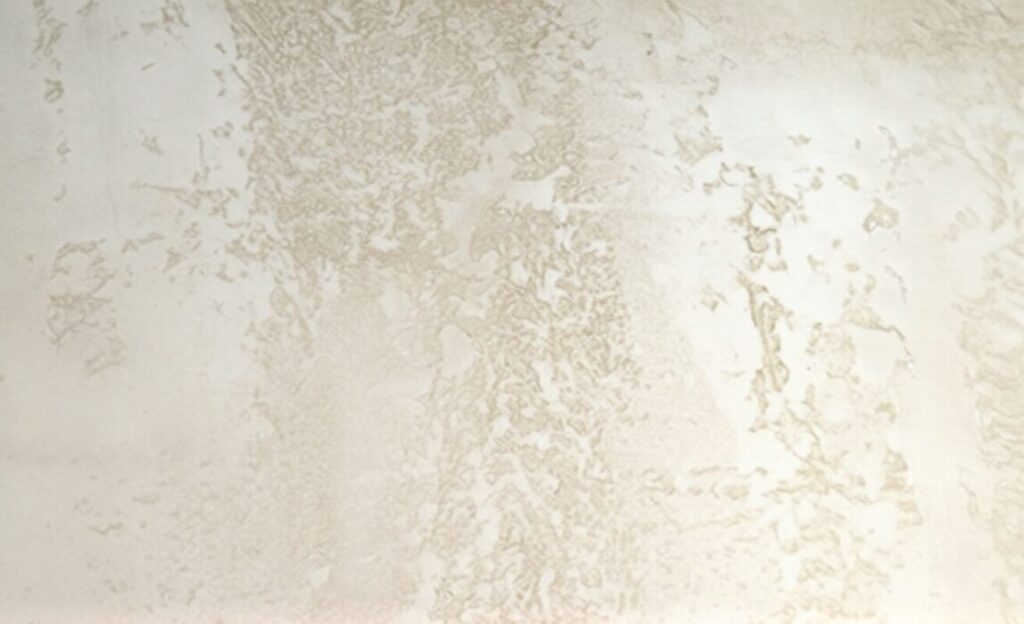
Venetian drywall texture looks much like old plaster. Marble dust mixed into drywall creates this finish. It leaves a dramatic, smooth, polished look on walls and ceilings – think old-world plaster. The process involves several thin coats of drywall mud, or plaster with marble dust. These layers get sanded and buffed. The surface becomes shiny and reflective, like polished stone, giving a luxurious depth.
Bas-Relief Drywall Texture
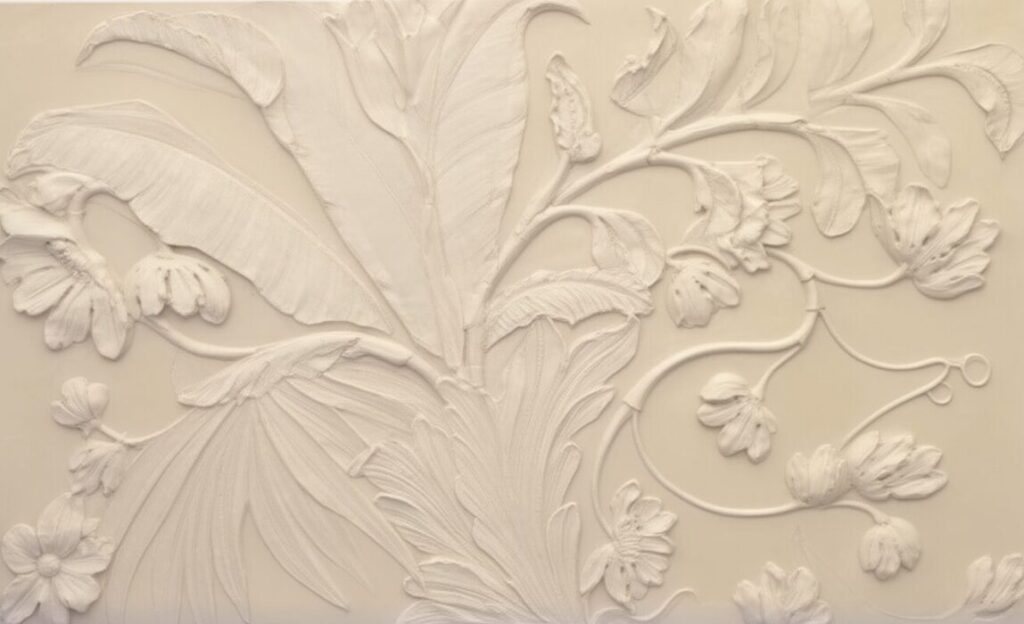
Bas-Relief drywall texture adds an artistic touch, with sculpted designs that push out from the wall. This style makes the wall art visible and three-dimensional; the design seems to emerge right from the surface. Creating a Bas-Relief finish takes both a craftsman and an artist. Why? Because the drywall mud needs intricate artistic shaping and layering. This method isn’t common. It costs more and demands specialized skills.
Tree Bark Drywall Texture
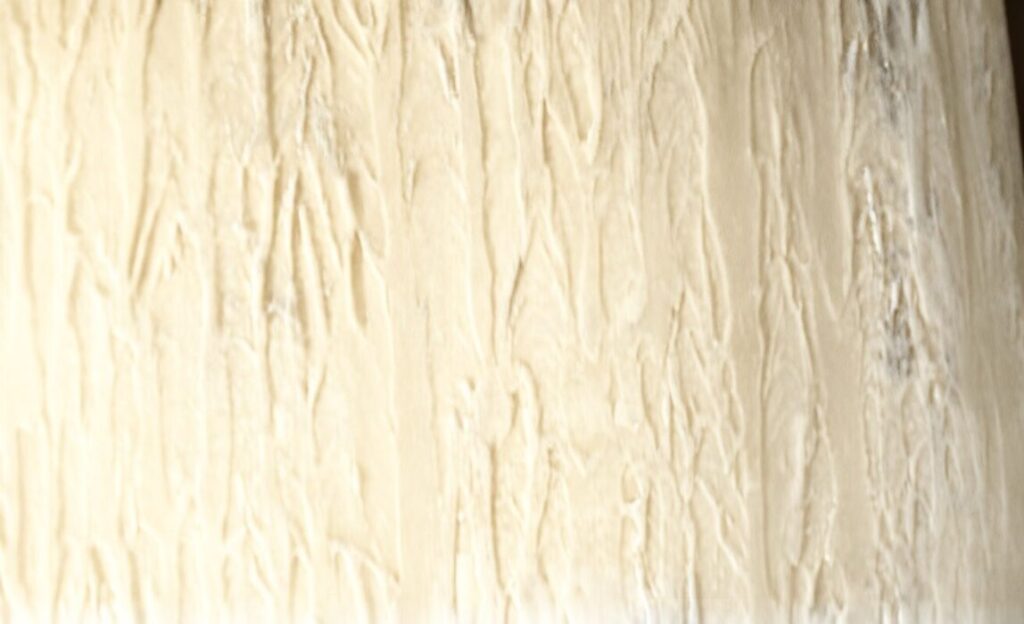
Tree bark drywall texture makes walls or ceilings similar to actual tree bark. Workers create it by rolling a patterned heavy paint roller over wet drywall mud. This forms deep, vertical grooves. The rustic pattern applies quickly.
You can change the finish color. White or beige might mimic birch bark, while darker shades give a woodsy feel. This texture hides flaws well – dents and scratches disappear. But the grooves can gather dust, so you’ll need to clean it from time to time. It’s a good choice for rustic rooms, like cabins or lodges.
Santa Fe Drywall Texture
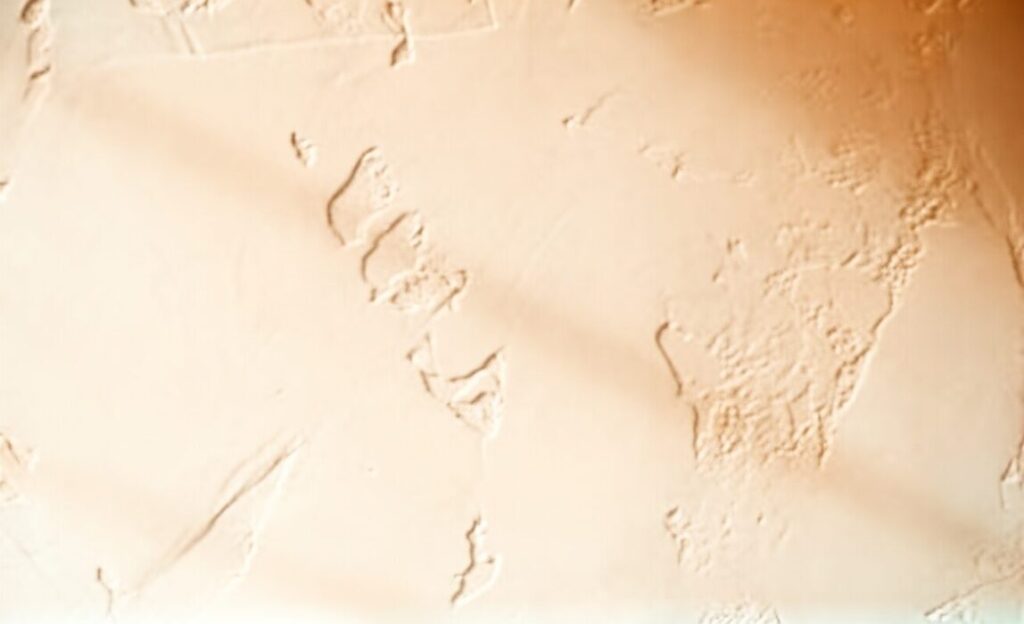
Santa Fe drywall provides a subtle, rustic finish, common in Southwestern homes. Workers apply a thin layer of drywall mud to the wall, leaving some spots uncovered. This creates a soft, uneven texture – a very natural look.
Hawk and Trowel Drywall Texture

Skip trowel textures are popular in Mediterranean homes. The hawk and trowel drywall texture gives a similar handcrafted look. Workers spread drywall mud in layers by hand for this artistic finish. The technique needs two tools: a hawk – a flat board for holding mud – and a trowel. That second tool is a flat metal piece used for application and shaping. You can get different patterns from this method – soft waves, swirls, or random arcs. It all depends on how much pressure is applied and the specific technique used. This custom, handmade style often appears in Mediterranean and rustic homes. It helps to create a warm, old-world vibe.
How to Choose the Right Drywall Texture
Picking the right drywall texture depends on a few things. You need to think about how well it hides flaws, how hard it is to put on, and if it will last or if you can fix it later. The look it gives a room matters too, along with any sound or heat benefits. Choose textures based on the surface, the light in the room, and how often it might need repairs.
A smooth, Level 5 finish, for instance, looks great on modern walls. But if walls get a lot of bangs and dings, knockdown or slap brush might be a better choice. Orange Peel is quick and a common sight. For big ceilings with seams or hot spots, Sand Swirl or a light Knockdown can help break things up.
Which Textures Best Hide Wall Imperfections?
Drywall textures can cover up small problems like nicks, dents, or badly taped seams. Knockdown texture, for example, hides flaws very well, especially in side-light. This makes it perfect for remodels that have old patches. Slap Brush (Stomp) also does a good job of hiding imperfections.
Orange Peel and Skip Trowel textures offer medium flaw hiding. Comb texture gives low to medium coverage.
But Smooth (Level 5) texture offers very little help; it actually shows off any defects.
Popcorn or rosebud textures are both great choices for hiding small imperfections. Spray sand texture works subtly but well for tiny dents or dings. And the Santa Fe drywall texture can hide wall damage, too.
What Is the Application Complexity for Different Textures?
Applying drywall textures can be tricky. Some are easy enough for a DIYer, but others really need a pro. Comb texture is one of the simplest for anyone to try. You could also handle Orange Peel, Knockdown, Sand Swirl, and Skip Trowel yourself. Skip Trowel, for instance, only needs drywall compound and a hand trowel.
But floral texture is intricate; it usually takes a professional. Shoelace texture also proves harder than textures like comb, orange peel, or skip trowel. Bas-Relief textures – these are true art. They demand a skilled craftsman, an artist even. Spray textures, Orange Peel among them, often need blend-spraying and careful timing to match the pattern right.
How Do Textures Affect Durability and Repairability?
Sand swirl texture feels a little rough and grainy. Because of the sand in it, this finish lasts longer than smoother ones. Knockdown texture hides old repairs better, particularly when light hits it from the side. This makes new patches blend in easily. Smooth, Level 5 textures look modern, but they show every flaw. Fixing them can be tough. Your texture choice now will impact repairs years down the road. Each style handles wear and tear differently.
What Aesthetic Styles Do Drywall Textures Offer?
Drywall textures let you pick from many styles. Smooth finishes – often called Level 5 – offer a clean, modern look. Orange Peel adds a soft, subtle pattern. For a more rustic, cottage-core feel, choose Knockdown. Skip Trowel delivers an artistic, Mediterranean vibe. Need old-world charm? Lace, or Spanish Lace, brings timeless grace.
Sand Swirl can make a room feel vintage or simply add depth. Venetian plaster always looks dramatic and high-end. Bas-Relief turns a wall into a sculptural artwork. Tree Bark provides a natural, rustic design, while Slap Brush creates an artsy, bohemian effect. All these options give spaces personality and unique wall designs.
Do Drywall Textures Provide Acoustic or Thermal Benefits?
Drywall textures do more than just look good; they also manage sound and temperature. Different textures change how much surface area a wall has and what it is made of. This can subtly affect noise in a room, either by bouncing sound or absorbing it. But a wall’s thermal insulation mostly comes from the drywall material underneath and how the wall was built – not so much from the texture on top.